 WhatsApp
At Mercado Bitcoin, one person closes payroll for around 400 employees in a day.
After the move to Tako, the close ends the same day, and the accounting team serves itself.
80% less time to close payroll
Five working days of one dedicated person became about one.
~400 employees on payroll
One person closes the whole payroll, with no analyst backing her up.
~4 hours from the person who led it
Two people took part, and eSocial brought the registry ready.
Mercado Bitcoin
Case at a glance
- Company
- Mercado Bitcoin
- Sector
- Fintech · Crypto assets
- Workforce
- Around 400 employees
- Switch
- 2025
- Team
- HR operations, feeding accounting, tax and controlling
- Before Tako
- Payroll running in house, with its own payroll team and the bridge between payroll and accounting made by hand
About the company
Mercado Bitcoin is a crypto asset exchange. It handles the purchase, sale and custody of digital assets for people and companies in Brazil, in a business audited four times a year.
This case was recorded in Portuguese. The quotes on this page are translated; the video runs in the original.
Summary
Payroll already ran in house, and data was passed from hand to hand.
Onboarding lived in one system and payroll in another, with someone on the team copying information between the two. A mistyped bank detail only surfaced when the payment file was generated, and every report had to be cleaned up by hand before anyone else could use it.
Tako solved what was blocking the operation, and the open API was the differentiator on top of that.
Onboarding started arriving filled in by the candidate, the employee data report came out standardised, and the accounting team started pulling what it needs on its own. What set Tako apart from the other vendors on the shortlist was being able to build on their own data without depending on anyone for every change.
The switch cost about four hours from the person who led it.
The rollout was driven by eSocial, which already holds the company's full employee registry, so the re-keying that usually stalls a payroll migration never happened. Two people from Mercado Bitcoin took part.
Closing got 80% shorter, and one person handles payroll for around 400 employees.
Payroll used to close on the 27th and drag about five days of reports, tax forms and filings behind it; today it ends on the day. The accounting team pulls what it needs on its own, and the capacity that left execution went into automation and into the people P&L the team sends ready to FP&A.
If your payroll looks like theirs did, half an hour with someone from Tako is enough to see where to start.
Talk to TakoThe full story
The HR operation that feeds finance.
Priscilla Brum runs HR operations at Mercado Bitcoin, a team that closes payroll for around 400 people and is measured by the data it delivers, because what comes out of it feeds accounting, tax and controlling.
The bar sits even higher because a company dealing in crypto assets meets suspicion as the default reaction from outside, and auditors come through four times a year.
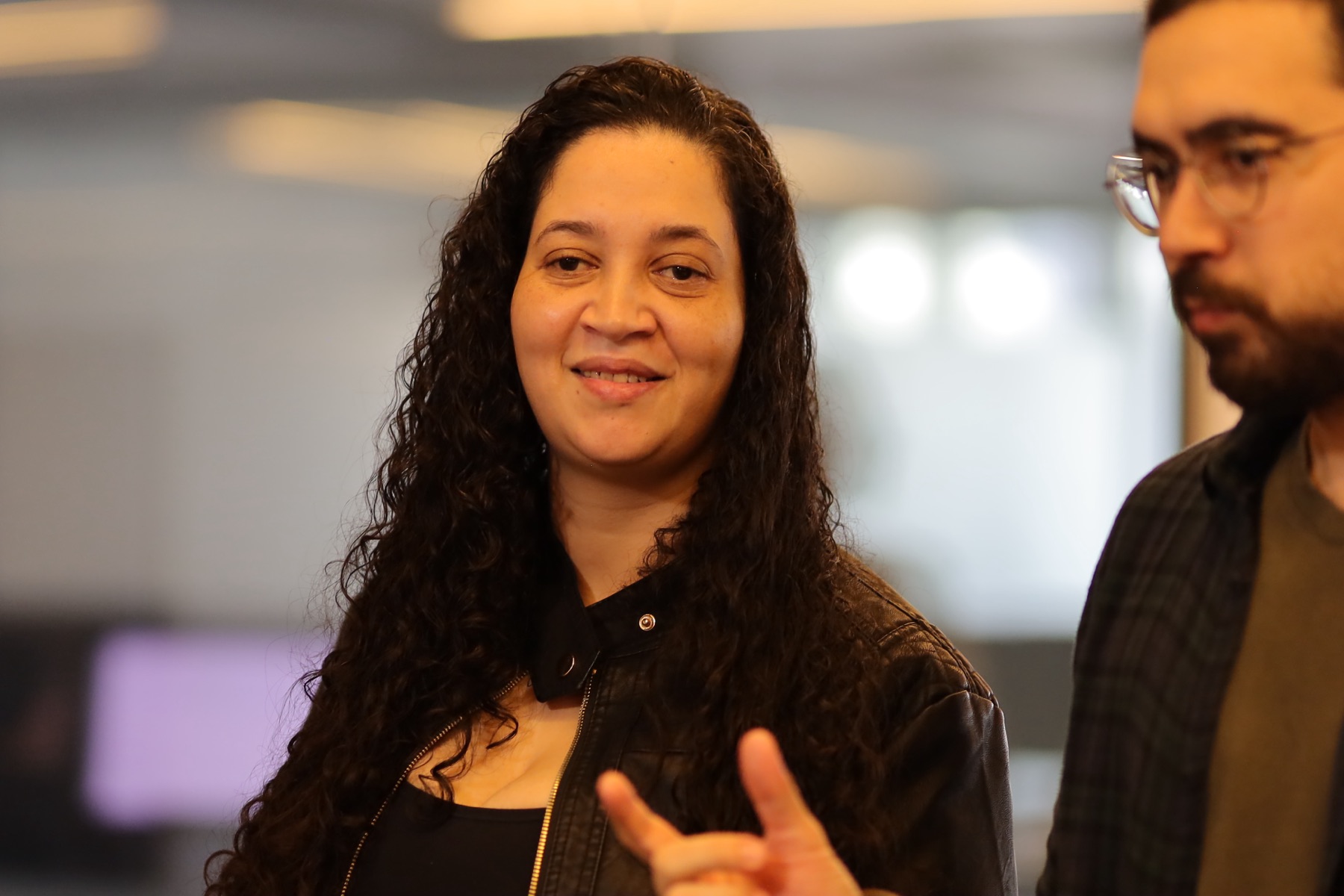
“We are challenging the market and building credibility. The back office of a company that innovates, that wants credibility, has to be in very good shape.”
Payroll depended on someone copying data from one system to another.
Before the change, Mercado Bitcoin already ran payroll in house, with its own payroll team, and digital onboarding sat in a separate system belonging to their occupational health and safety partner. Priscilla was the one carrying information from one to the other, and a mistyped bank detail only surfaced when the payment file was generated.
Reports had the same problem, because what came out of the system had to be cleaned up by hand before another analyst could use it, so any question about who was where and under which contract went through Priscilla. The close did not end when payroll closed either: days of reports for accounting, tax form generation and filings followed it, with the month's accounting and tax consolidation dragging behind all of that.
That arrangement ate the team's month, and what bothered her most was not being able to fix any of it, because the tools they had would not let her. That is where the phrase a manager said to Priscilla when the two started working together comes from: “Hold on to that anger of yours, because that anger is good.”
A payroll system review never shows that limit, because the comparison sheet has a row for closing time and error rate and none for everything the team will not get to build. That cost never lands in a report, and it was what led Priscilla to accept the risk of changing: “It really came down to that decision: let us take the risk of changing. Because every change gives you that flutter in your stomach. It is about breaking the vicious circle.”
“That difficulty of trying to do something that adds value, of giving the employee a good experience, of giving the team experience, of moving forward... Not being able to move forward because of the tool: that one really hurt. There was no way around it, we would run, we would try, but we would not get anywhere.”
The open API was the differentiator.
Point by point, Tako solved what was blocking the operation: onboarding is filled in by the candidate and lands in payroll without anyone copying data in between, the employee data report comes out standardised and usable by anyone without cleanup, the close ends on the day it ends, and the accounting team goes into Tako and pulls what it needs on its own.
When Priscilla lists why her team got where it got, she starts with how easy the tool is to use and how clear the data is, which she calls democratic information because anyone can read it without help. What set Tako apart from the other vendors under review was the open API: “It is going to sound silly, but that is what made the decision: the open API.”
An open API sounds like a topic for the engineering team, and what is actually at stake is dependency: much of the payroll market makes money from the customer needing the vendor for every change, and opening the data so the customer can build on it without asking permission takes that arrangement apart.
A little over a year after the switch, Priscilla had already built, without asking Tako for anything, an internal tool connected to the platform that she feeds in one place and pulls the people P&L from, combining payroll, termination and holiday reports to send ready to FP&A.
“When you have a partner who shows you it is possible to do things differently... the whole market says it is not, that it will always be that way. Someone actually believes it and is showing it can be done. That gives you the courage and the comfort to do things differently too.”
The rollout took about four hours of her time.
The date came out of a two minute conversation between Priscilla and her counterpart in finance, who agreed on the switch, asked each other whether they were up for it and settled it right there.
They were expecting the familiar hell of a payroll migration, with registry re-keying and line by line checking, and the rollout came driven by eSocial, which already holds the company's full employee registry, so the re-keying never happened. Two people on their side took part, and Priscilla puts it at about four hours of her own time.
The friction sat on Tako's side, where the team serving them turned over three or four people, and January, February and March were hard months until Jéssica took over and changed the process.
“There was nothing to it. If anything, they ask for very little. For anyone who has been through a system rollout before, very few things get asked of you.”
The payroll process ends on closing day.
Under the old arrangement payroll closed on the 27th, and after that came about two days building reports for accounting and about three days of tax forms and filings, with Priscilla making that bridge by hand.
Today the accounting team goes in the day after the close and pulls what it needs straight from Tako without going through her, onboarding runs end to end with the candidate filling in their own details, and every entry returns the final figure on the spot.
Day 30 the payroll process ends
“Payroll is done, that is it. By the 30th my payroll process is over.” Before, the close on the 27th was followed by about five days of reports, tax forms and filings.
Next day accounting serves itself
“I do not have to bridge payroll and accounting any more.” The accounting team goes into Tako and pulls what it needs, without waiting for anyone to build a report.
End to end in onboarding
The candidate fills it in, she checks it. Bank details stop being copied from one place to another, and that is where the errors used to come in.
Figure on the spot on every entry
The final figure appears the moment the entry is made, so the number can be discussed before the close.
“You make an entry and the result comes back, the final figure comes back. So you already have a preview you can trust. I said: wow, we are living in the future.”
The employee data report became the company's reference.
When she talks about what changed, Priscilla puts data reliability above time, because information started originating at the source, with the candidate typing in what belongs to them.
The employee data report became the company's reference on who is who, to the point where the HR business partner, who is not even on the team, goes in, runs the report and resolves what she needs without going through Priscilla.
The gain almost nobody anticipates when reviewing a vendor came from that report being standardised and from her being able to choose what she pulls from it, because a standard is exactly what a person needs in order to write code on top, and that is where her automation started.
“For me there was the time gain, but I think the most important part was data reliability. Beyond time, we gained a lot in data governance and accuracy.”
What controlling asks the team has changed.
Priscilla drops payroll, termination and holiday reports into the tool she built, generates the people P&L and sends it ready to FP&A, which she sums up as simple as that.
With the close fitting into one person, the conversation between her team and controlling turned to consolidated figures and to what comes next, and almost never to payroll that closed or a termination that went out wrong.
Earlier this year she won an internal award at MB Week, and the CFO, talking about it in front of the company, referred to Priscilla as “the person responsible for the Tako rollout”.
Priscilla is now moving from HR operations into a cross functional role in controlling, working on projects, because of what she delivered there.
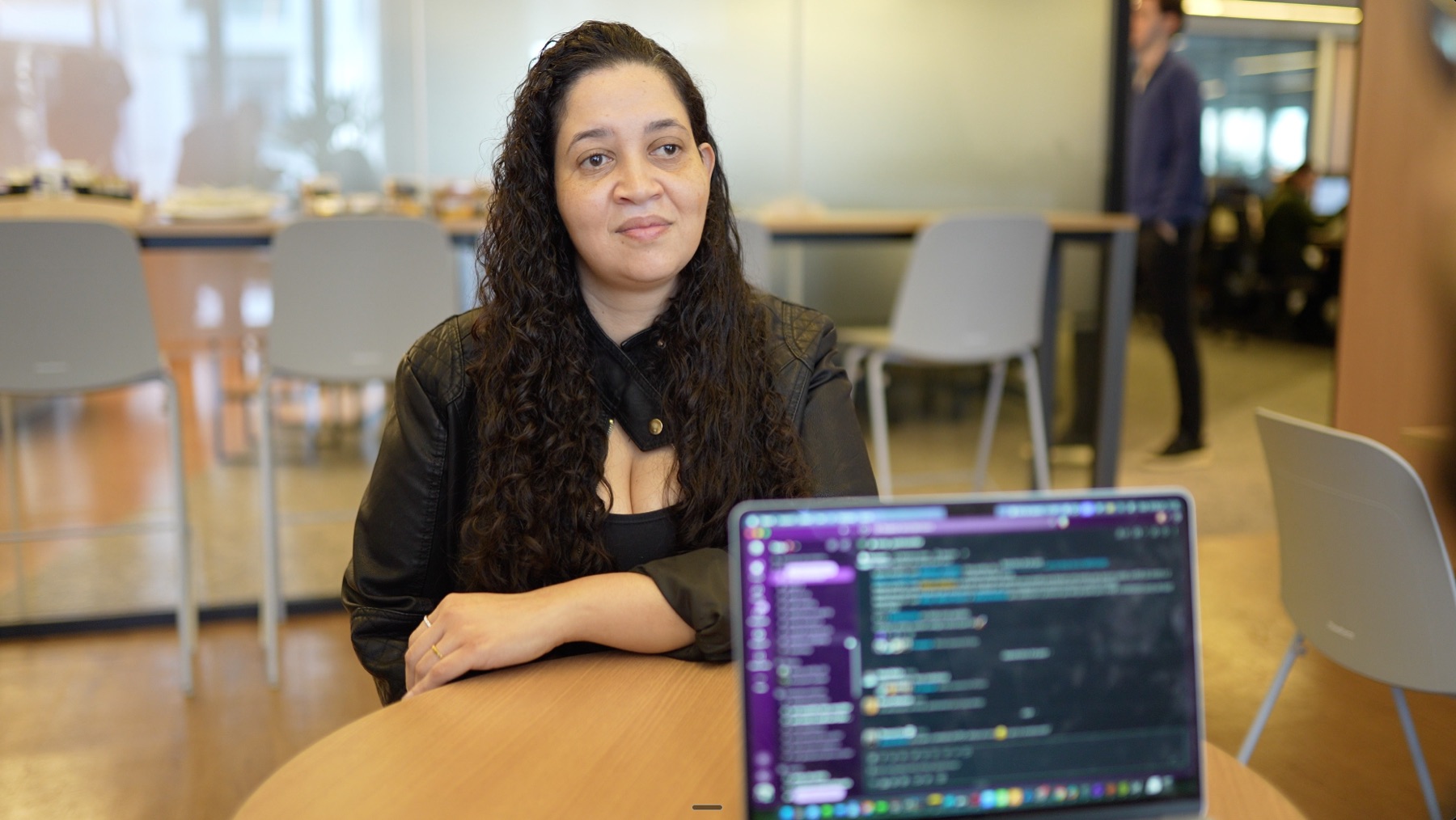
“I am leaving HR operations and moving into a cross functional role in controlling, into projects, because of what I delivered in HR operations.”
The next step is bringing crypto to people still on the outside.
What Priscilla describes as the company's path from here runs through opening up access to crypto and through financial education for people who still watch the sector from a distance, with partners who can speak to those audiences.
Mercado Bitcoin is a reference in its sector, and it was the company that gave the team the room to change: HR operations got where it got because there was a chance to try.
“It is going to change the way people talk about HR operations inside HR. It will carry a weight it has never had, and it will be tied to the conversation about employee experience.”
“I am still angry. But let us say I am very proud of the anger I had two years ago.”
Questions from people weighing the change
How long does it take to change payroll systems?
What happens to my history when I migrate?
How much of my team's time does this take?
What if payroll goes wrong? Who answers for it?
Will my security team approve it?
Do you replace the accountants?
Is there an API?
Mercado Bitcoin is a fintech of a few hundred people, audited four times a year, with the HR operation feeding finance. If that describes your company, it is worth asking what your team will not get to build over the next three years because of the system it uses today.
See your payroll the way Mercado Bitcoin sees theirs.
Half an hour with someone from Tako to look at how your payroll is set up today and what you can build on top of it.