 WhatsApp
At WeHandle, one analyst closes the monthly payroll in two hours, with CLT employees and contractors in the same place.
CLT payroll used to sit with an outside accounting firm, and contractors in a spreadsheet next to it. Today both are in Tako, and the team asks how much payroll costs and how many people each manager has straight from the AI tool it already uses.
2 hours to close the monthly payroll
It took half a day in the first month. The time kept dropping as the time clock started feeding payroll on its own.
One place for every type of contract
CLT employees and contractors both live in Tako, and almost half the team are contractors, so nobody keeps a spreadsheet on the side.
Straight from AI what used to need a report
The CFO gets the payroll changes every morning, and the analyst projects payroll by adding the open roles, all in the AI tool WeHandle already uses, connected to Tako.
WeHandle
Case at a glance
- Company
- WeHandle
- Industry
- Technology · Third-party management
- Workforce
- Hundreds of people, almost half of them contractors
- Before Tako
- CLT payroll at an outside accounting firm, contractors tracked by hand in a spreadsheet
About the company
WeHandle is a third-party management technology company. It uses AI to cut the time and the risk between the companies that hire services and the suppliers that provide them, from clearing a supplier to checking documents and payroll.
This case was recorded in Portuguese. The quotes on this page are translated; the video runs in the original.
Summary
CLT payroll sat with an accounting firm, and contractors in a spreadsheet next to it.
Almost half of WeHandle's workforce are contractors, so that spreadsheet carried real weight. To know who was active and who reported to whom, someone matched the two sides by hand, and the accounting firm sometimes knew more about the operation than HR did.
Tako was the first option the CFO found that handled CLT employees and contractors in the same place.
With contractors and employees in the same place, the team started asking questions and running analyses on that data instead of requesting reports.
The finance month-end close dropped from up to ten days to two or three.
The CFO measures the whole month of the finance area, not just payroll: payroll close, bank close and consolidation. With people data arriving ready, the team stopped rebuilding information before closing and freed people to look at more things.
The monthly payroll closes in two hours, and the team asks AI how much it costs.
The time clock feeds payroll on its own, whatever repeats every month comes back already entered, and onboarding became a link the new hire fills in. What is left is checking and deciding, and that fits in a morning.
If your payroll sits with an accounting firm and your contractors in a separate sheet, half an hour with someone from the Tako team shows where to start.
Talk to TakoThe full story
The company that stops risk before it arrives.
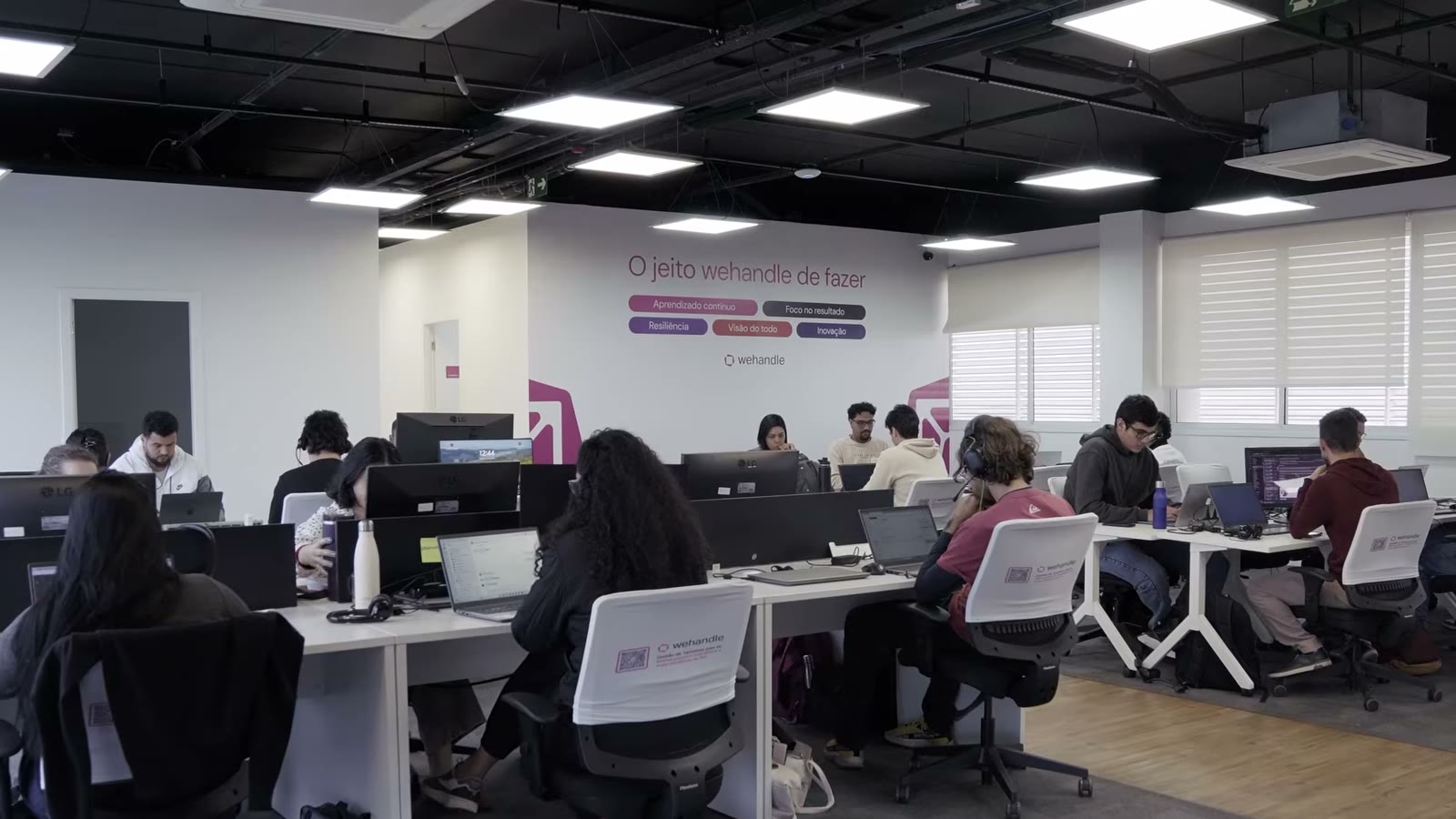
WeHandle has hundreds of people, and almost half of them are contractors. The company manages third parties for large companies: when one of them hires outsourced labor, WeHandle checks that the supplier is in order, from its documents to its payroll.
It uses AI to read those documents instead of a person, and the next step is already being built: predicting a supplier's risk before opening its first document.
The mistake that starts small and becomes a liability.
Checking the documents of thousands of suppliers gives Rodrigo Faustini a view of the labor market that almost nobody has.
He often cites that 60% of the world's formal workforce is outsourced, and that 70% to 80% of those suppliers leave their payroll with an accounting firm.
The mistakes he finds in those payrolls are in the details, like unpaid weekly rest (DSR) and a wrong match with the union agreement. An accounting firm serves many clients with the same process, and each one's details slip through. A mistake like that starts small in one month's payroll and comes back as a liability the following year.
The accounting firm knew more than HR.
WeHandle's CLT payroll sat with an outside accounting firm. Contractors were tracked by hand in a spreadsheet, and almost half of the company's workforce are contractors, so that spreadsheet carried real weight. To know who was active and who reported to whom, someone had to match the two sides by hand. Caio Sagae, the CFO, wanted one place to see both.
Tamiris Dias took over HR in that setup, with no record of who was active or who led whom, and with onboarding, vacations, terminations and the payroll close requested from the accounting firm by email and spreadsheet.
This arrangement is what the market offers by default, and it worked. WeHandle decided it wanted more than it delivers.
“Sometimes the accounting firm had more information than I did, and I was somewhat hostage to that outside relationship.”
 Tamiris Dias · Head of HR, WeHandle
The criterion that decided the purchase.
Caio's criterion was to see CLT employees and contractors together, in the same place, and Tako was the first option he found that handled both that way, with the contractor next to the employee.
Tamiris brought two questions to the conversations with Tako: what set it apart, and why switch from the partner she already had. What reassured her was understanding what Tako did differently from the systems she already knew: taking manual work off the team and putting the data in the hands of the people who run the operation.
The whole history came along.
Anyone thinking about moving payroll away from an accounting firm usually has two fears: losing people's history and getting the first close wrong. WeHandle made the switch at the turn of the year. Tamiris ended the relationship with the accounting firm, extracted the full people and payroll history and brought all of it into Tako, where the first payroll of the year already closed.
Tako's implementation team worked alongside her on the first payrolls, checking the history and recalculating whatever was needed until the close matched, which was what worried her most. Caio describes the handover as smooth because it was followed closely.
With the history inside Tako, Tamiris no longer depends on third parties for any information, and a new HR initiative starts with the data ready.
“One difference in the implementation and the system switch was that support and closeness: there was no set hour, no set day, we worked very closely together.”
Tamiris Dias · Head of HR, WeHandleThe monthly payroll fits in a morning.
Larissa Baldin closes WeHandle's payroll on her own, and most of the manual work is out of her way. The time clock now feeds payroll directly, so nobody types in hours worked. Whatever repeats every month is set up as a recurring entry and comes back on its own in the next pay period. Onboarding became a link the new hire fills in, which took document and bank detail entry off the payroll team.
What is left for her is checking and deciding, and that fits in two hours.
2 hours to close payroll
Larissa Baldin took half a day in the first month, and the time kept dropping as the time clock started feeding payroll.
No typing for what repeats every month
Recurring entries are no longer keyed in by hand every pay period.
One link to onboard someone
The new hire fills in their own details, and onboarding runs on its own to the end.
One place for every type of contract
Anyone who needs information about anyone in the company looks in one place, without cross-checking spreadsheets.
“I saw the pain of my payroll peers, who lost days, weeks closing payroll, and I close payroll in two hours.”
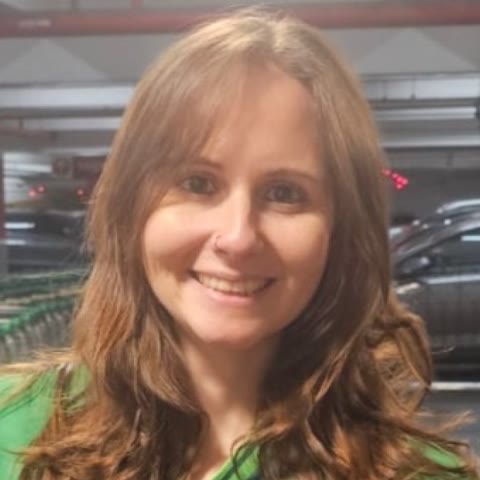 Larissa Baldin · Senior payroll analyst, WeHandle
HR stopped asking for reports.
Larissa, Caio and Tamiris ask questions about the operation in the AI tool WeHandle already uses, connected to Tako's data through the MCP. Each of them found a different use, and none of them goes through a report.
Larissa BaldinSenior payroll analystKeeps the MCP open all day
Larissa asks how much payroll is costing and how many people each manager has. She also builds payroll projections by adding the open roles to what already exists today.
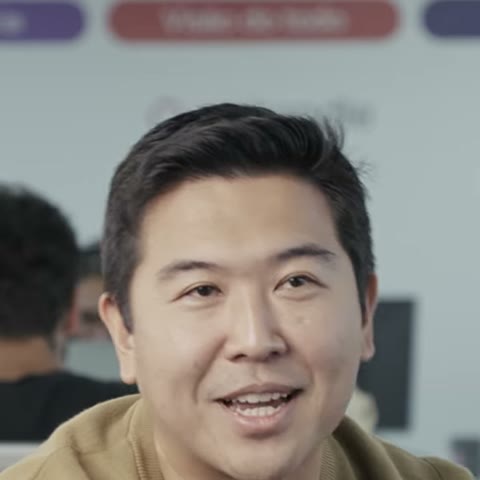 Caio SagaeCFO
Gets payroll with commentary every morning
A daily routine reaches Caio with the payroll changes and variances, without opening the platform. He also asks how much a person costs, when someone left, and the floor and ceiling for a role. He projects payroll and, when needed, cash, which shows the money leaving on the date it leaves.
Tamiris DiasHead of HRBuilt the review cycle with AI
The most thankless part of a performance review is working out who reviews whom, because managers change mid-year and the half-year review has to go to the leader of that period. Tamiris solved that mapping by talking to AI, without building a report by hand. Movement history, promotions, merit raises and tenure come in the same conversation.
“I open my computer and turn on the Tako MCP right away.”
Larissa Baldin · Senior payroll analyst, WeHandleThe line between HR and finance is disappearing.
Tamiris moved into a more advisory role, close to Rodrigo and the leadership team, on fronts like hiring and performance reviews, work the operational load used to leave no time for.
Caio sees a change broader than the finance team. For him, the line between HR, finance and legal shrinks once AI comes in, and everything moves toward a single back office organized around people data, the company's main asset.
Larissa follows a company that grows without the payroll team having to grow at the same pace, which gives her time for the work that takes judgment.
“It is not just payroll. There is onboarding, terminations, vacations, contractor payroll, the relationship with the union, recruiting.”
Larissa Baldin · Senior payroll analyst, WeHandleThe day nobody thinks about payroll.
Tamiris wants HR to see a problem before it shows up, and for recognition and performance to be decided with reliable data, at the pace WeHandle grows.
Rodrigo thinks about a lower layer. For him, AI will become infrastructure, the way electricity and water already are, and then nobody needs to think about it. Work that repeats every month, like running payroll or reviewing one more document, stops being done by people once that infrastructure exists.
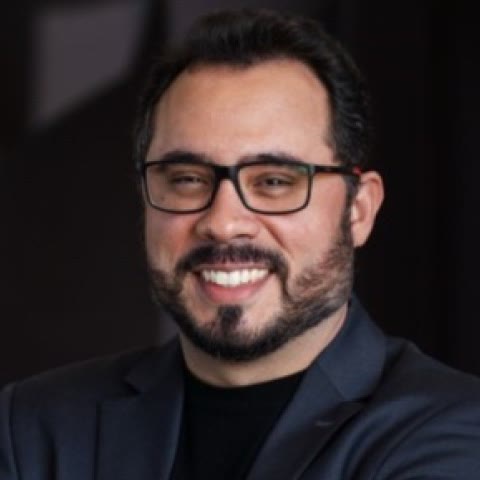
“Nobody should have one more worry about how to behave when generating a payroll. It will simply be there because the infrastructure exists.”
Rodrigo Faustini · CEO, WeHandle
Questions from people evaluating the switch
Do you handle CLT employees and contractors in the same place?
When is the best time to switch?
What happens to my history when I migrate?
Do you replace the accounting firm?
What if payroll goes wrong? Who is responsible?
Can I ask questions about the operation instead of pulling reports?
How does contractor payroll work?
WeHandle is a technology company with CLT employees and contractors on the team, demanding about its own product and about who it hires. If that describes your company, it is worth looking at where your payroll sits today and what you can ask it.
If your payroll closed in two hours, what would your team do with the time left over?
Half an hour with someone from the Tako team to look at how your payroll is set up today.
About Tako
Tako handles everything involved in hiring and managing people in Brazil. Recruiting, onboarding, payroll, payments, eSocial and legal: agents do the work. Your company puts the time and money left over into growing.