 WhatsApp
August 4, 2026, 8 AM to 7 PM
Parque Mirante, São Paulo
Countdown
A day to rebuild work.
AI is already changing how companies operate, decide, and grow. Work hasn't caught up yet. Tako Summit brings together 500 leaders in São Paulo to discuss what that means in practice — and what every company needs to start doing now.
A dense day, no fluff. Content from the people building the future of work with AI, debates other events won't touch, and conversations among the peers who decide. No stage for selling product. All at the Allianz Parque rooftop.
The first names are on stage.
The keynote comes from Stanford, alongside the people who make people decisions at operations like iFood, QuintoAndar, and Neon. The lineup grows in waves through August.
The next wave is coming
New names are announced in waves. People on the interest list hear about each announcement first.
August 4th, hour by hour.
Keynotes and closing in the plenary, with two windows of simultaneous stages mid-day. When it is time to choose, you will want to be in both rooms.
 Dani Bruzzi · Event MC
Check-in, welcome coffee and networking
Opening: why this event exists
+ Synopsis− Synopsis
Fernando Gadotti, Tako's founder, opens the day by explaining the scale that will organize the next ten hours and the deal every speaker accepted to step on this stage: talk about what they have actually done, mistakes and numbers included. Fifteen minutes to understand how to make the most of the day, and thirty seconds to decide which of the two stages you will be at by 10:15.
 Fernando Gadotti · Tako
In the AI era, guess what became the central conversation among entrepreneurs
+ Synopsis− Synopsis
Endeavor closely tracks Brazil's most relevant scale-ups and now measures, in a structured way, what they are actually doing with AI on the inside, not what they announce. Tetê Fornea, Managing Director of Endeavor Brasil, presents the data from that research and then opens the conversation: where companies started, who pulled adoption forward, where it stalled, and what is working. You leave with the scale you will use across every other session of the day, and an honest answer to the question that brought you here: where exactly is my company on this journey.
 Tetê Fornea · Endeavor Brasil
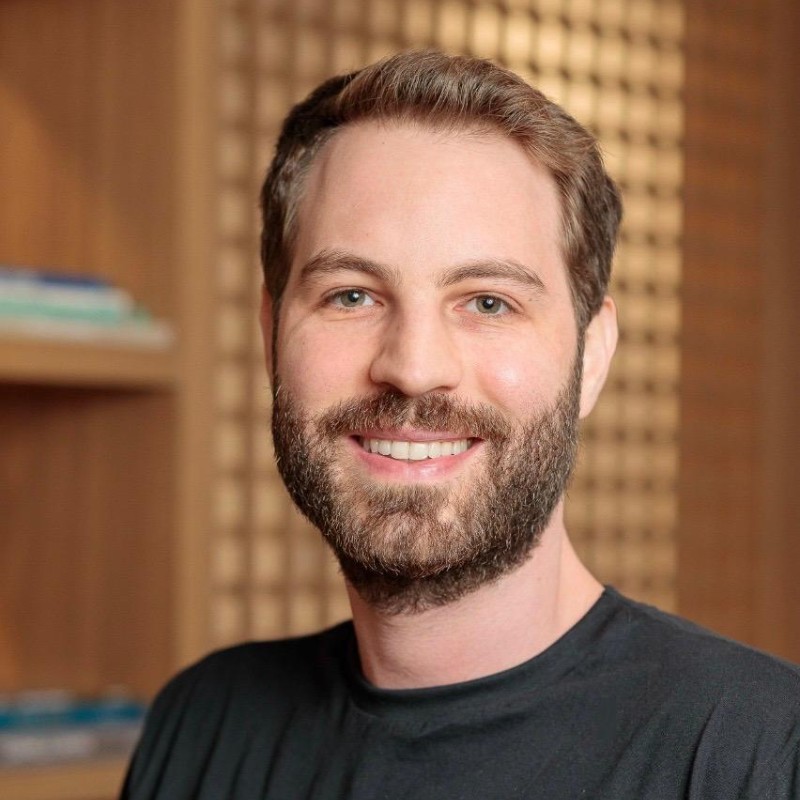 Cadu Gonçalves (Vixtra) · Moderation
When AI becomes a criterion: Alice's fluency goal
+ Synopsis− Synopsis
Alice made AI fluency a company-wide goal, sponsored by the CEO, with an August deadline and competency-based assessment. It is not training offered to whoever wants it: it is a criterion. Sarita Vollnhofer, Alice's CHRO, tells the decision from the inside: how the goal was built, how the assessment works in practice, what happens to those who do not get there, and what has already changed in the work of those who did. Carla Barone, from ONEVC, pulls the thread. The conversation happens in the exact month the deadline lands, so you hear the result, not the intention.
 Sarita Vollnhofer · Alice
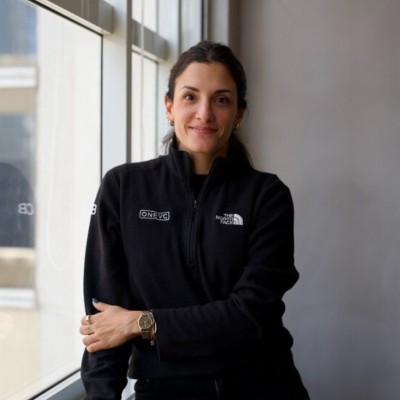 Carla Barone (ONEVC) · Moderation
What it is worth: the number that sustains the program
+ Synopsis− Synopsis
Every AI program reaches the day when someone in leadership asks what it is worth. Here are three real, different answers. Camila Porto, a People Strategy specialist, has the number: an hour-bank predictive model that saved close to one million reais. Renata Baccarat, VP of HR at Ascenty, does not have a number yet, and tells how you sustain a program while building the data foundation from scratch in a sixteen-year-old company. Caroline Zucco, Head of People at Azion, had the discipline almost nobody shares on stage: shutting down an initiative that was not proving value. You leave with an honest yardstick to defend your next initiative, or to kill it.
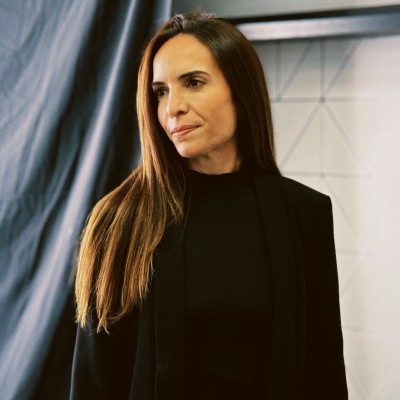 Renata Baccarat · Ascenty
 Camila Porto Melleiro · HR Executive
 Caroline Zucco · Azion
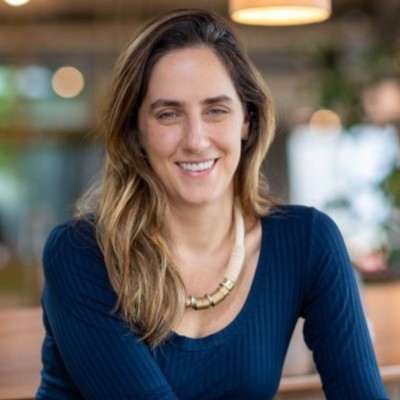 Marcela Ziliotto (Pipo Saúde) · Moderation
The process where AI went deepest: three paths in recruiting
+ Synopsis− Synopsis
Recruiting is where AI adoption has gone deepest inside HR, which is why it is where a real base of comparison, with numbers on the table, already exists. Breno Dantas built a voice agent at Doctoralia over two years, got close to the accuracy he wanted, and today says he would have bought it ready-made. Isabella Coutinho, from Kovi, implemented a solution before the process was ready and turned the result into governance. Alejandra Nadruz, from Starian, created a committee that examines every new opening before it is posted and reduced the business partner team to a third. You leave with three comparable paths, the price of each, and a build-versus-buy position that applies to any process, not just recruiting.
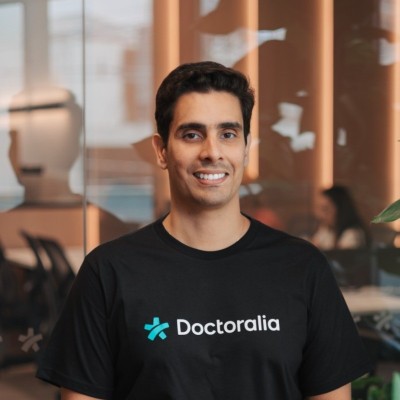 Breno Dantas · Doctoralia
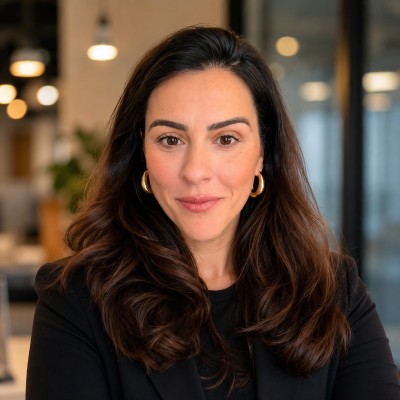 Isabella Coutinho · Kovi
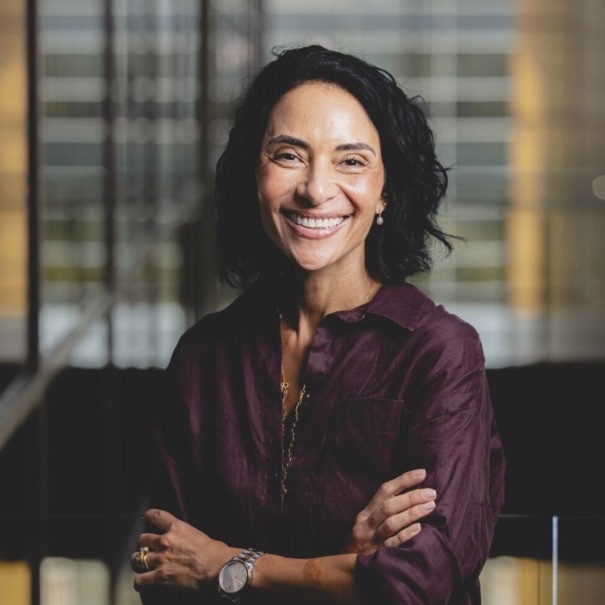 Alejandra Nadruz · Starian
 Léo Kaufmann · Moderation
Year one of adoption: what gets built before scaling
+ Synopsis− Synopsis
Year one is where adoption either gains structure or becomes a collection of loose experiments. Roberta Valezio started from a baseline of hundreds of spreadsheets a week at Neon, consolidated systems before touching AI, and set goals in every area, including measuring what got worse along the way. Gabriela Cañas structured Nuvemshop's program with a CEO memo and a goal of time freed per business partner, and explains why token usage tells you nothing. Breno Vaz launched an AI-first manifesto at Conexa Saúde, watched a hackathon freeze adoption, and corrected course with grassroots champions. Three different year-one mechanics, with the cost of each.
 Roberta Valezio · Neon
 Gabriela Cañas · Nuvemshop
 Breno Vaz · Conexa
 Juliana Jordão (Tako) · Moderation
Lunch
When the AI deck meets the operation
+ Synopsis− Synopsis
Everyone has an AI strategy on paper. Few people describe what happens the day it meets the routine: goals that collide, roles that did not exist, processes nobody had mapped, managers who agree in the meeting and change nothing afterwards. Veronica Jany has spent her career leading large transformation programs in complex operations and speaks here in a personal capacity, free to tell what she saw, got wrong, and fixed. You leave with a vital-signs checklist to know whether your company's program is alive or already a zombie nobody switched off.
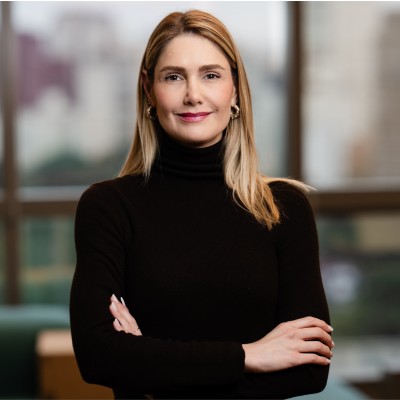 Veronica Jany · Amazon
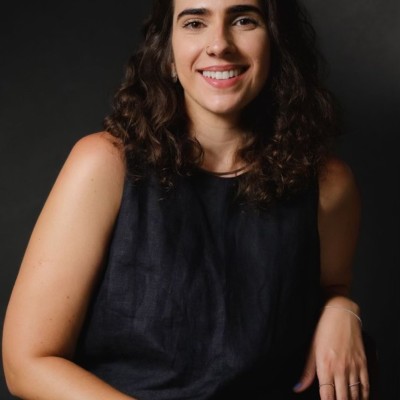 Caroline Cabral (Turbi) · Moderation
51 AI implementations that worked: what they did differently
+ Synopsis− Synopsis
An MIT study estimates that 95% of generative AI pilots produce no measurable financial impact. Elisa Pereira, researcher at the Stanford Digital Economy Lab, went to study the others. She is co-author, with Erik Brynjolfsson, of the Enterprise AI Playbook: 51 implementations with proven value, across 41 organizations in seven countries, 61% of which grew out of an attempt that had failed before. The presentation is in Portuguese and brings the study's most uncomfortable finding for this audience: support functions, HR included, were the most frequent source of resistance, ahead of the users themselves. Published field research, with the selection bias acknowledged by the author herself.
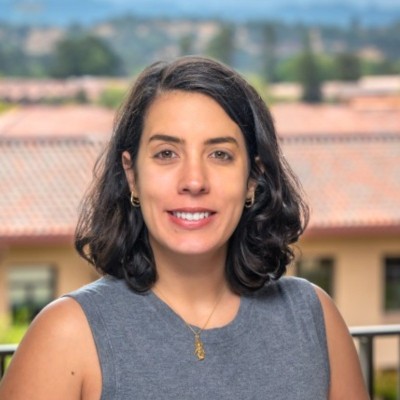 Elisa Pereira · Stanford Digital Economy Lab
 Erica Jannini · Moderation
When the founder decides: AI, structure, and HR's role
+ Synopsis− Synopsis
Three founders look back on AI adoption in their own companies: whether it came from the top or the base, what they measured, what they abandoned with money already spent, and what they would do differently. Guilherme Weigert runs Conexa Saúde, a telehealth operation with more than thirty million patients served, which went AI-first by manifesto. David Pires is leading Zig's redesign with AI at the center of the operation. Fernando Gadotti founded Tako AI-first and tells what breaks when a company is born that way. Part of this conversation is about you: how founders see HR's role in this shift, said to your face.
 Guilherme Weigert · Conexa Saúde
 David Pires · ZigFernando Gadotti · Tako
 Pedro Maciel (Endeavor) · Moderation
Work redesigned: how we are expanding team capacity with AI
+ Synopsis− Synopsis
It is estimated that half of all jobs will be reshaped by AI within the next 2 to 3 years. Who redesigns that work? Juliana Machado, People Director at Tako, argues this is People's new mandate: designing the processes, the roles, and the goals of work done by people and agents together. As a backdrop, the real case of the recruiter on her team, who now trains the AI agent that interviews alongside her, and how her job has expanded over the past months. A conversation about stepping away from the edge of the process and taking on the architecture of the work system.
Juliana Jordão Machado · TakoCarla Barone (ONEVC) · ModerationImplementation from the inside: what broke along the way
+ Synopsis− Synopsis
This is the panel of those who carry the operational pain. Ruan Caetano brought hiring time at Conta Simples down from twenty-two to eight days, and tells which step had to be redone after going live. Carolina Abe leads People & CX at Turbi, a mobility operation that lives on shifts, scale, and seasonality. Implementation as it really is, with the messy data that surfaced once AI came into use, not as it looks on a slide.
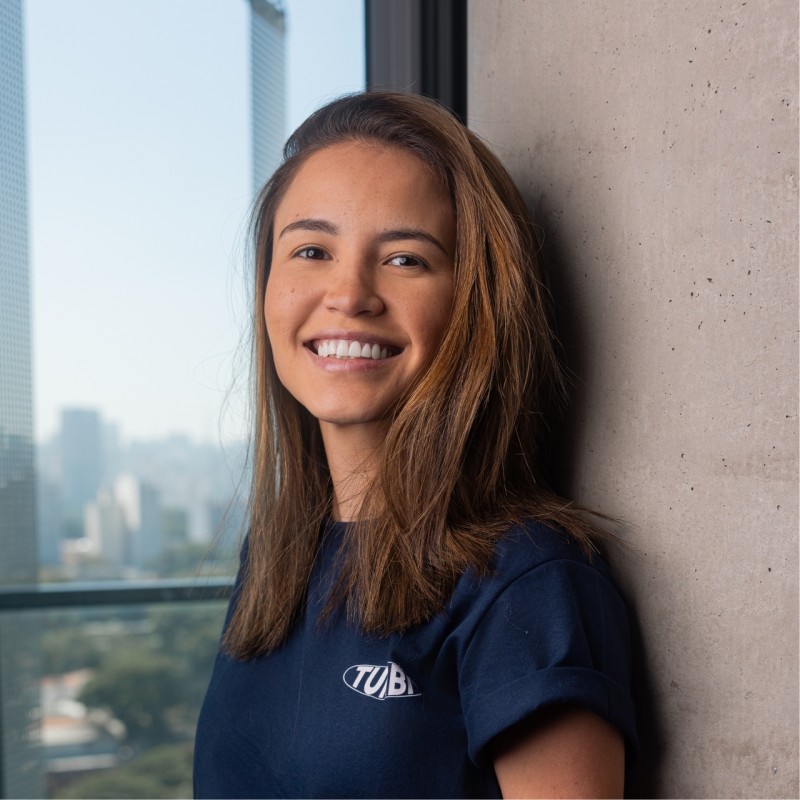 Carolina Abe · Turbi
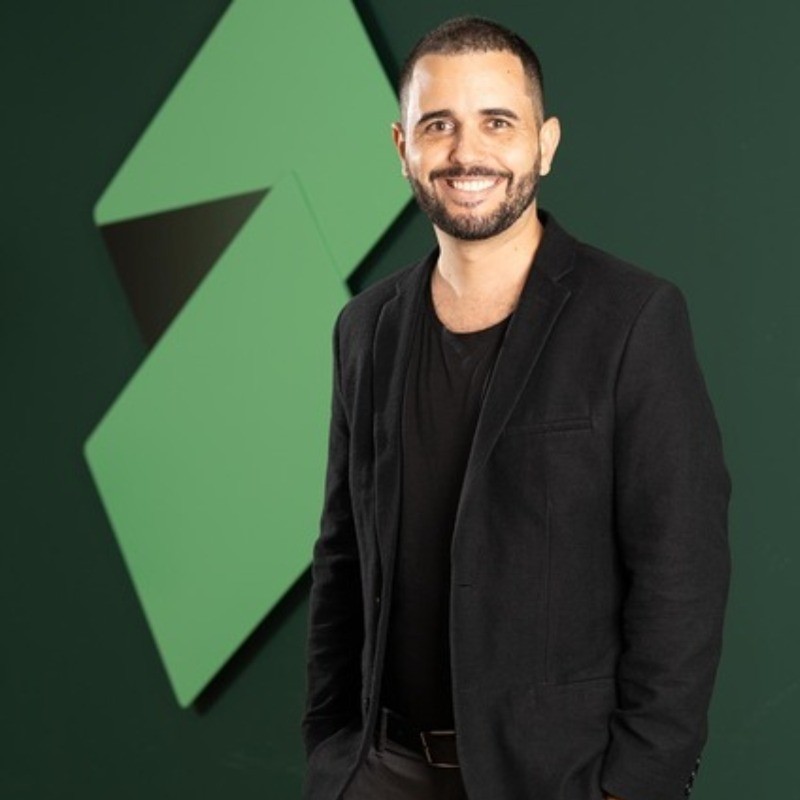 Ruan Caetano · Conta Simples
 Renan Maglione · Moderation
Why adoption stalls: the four human forces
+ Synopsis− Synopsis
Thousands of companies handed their teams AI and waited for productivity to climb. It didn't. The thing getting in the way isn't the software. It's four human forces we already understand pretty well: expert overconfidence, the threat people feel to their own identity, the trouble we have trusting a judgment that came from a machine, and our habit of refusing to forgive a single algorithmic mistake (even though we forgive dozens of human ones a day). Stanford GSB's Jonathan Levav digs into why AI tends to stall inside organizations, and what makes it easier for people to actually accept and use. The core idea: stop treating AI as a replacement for expertise and start treating it as expertise amplified. Get the human side right, and the productivity follows.
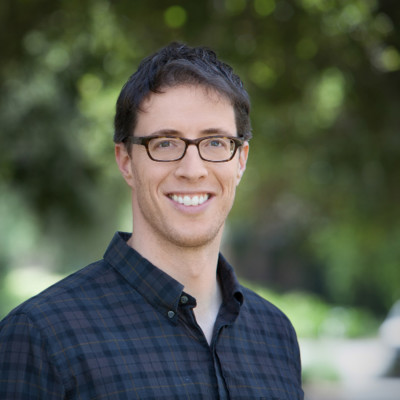 Jonathan Levav · Stanford
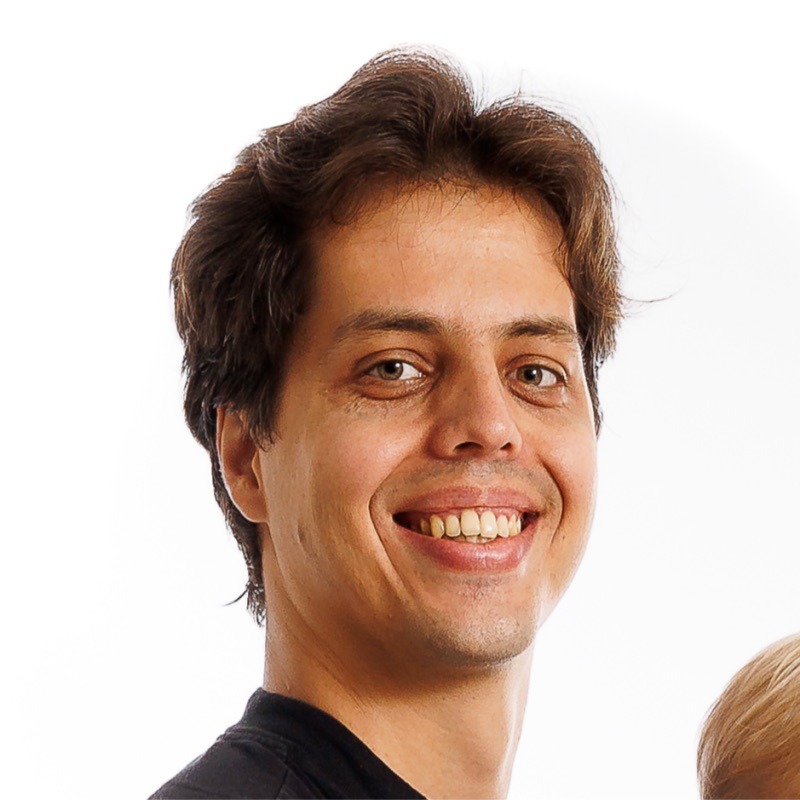 André Wicher (Tako) · Moderation
How iFood went AI-first: the journey told from the inside
+ Synopsis− Synopsis
By the end of the day, iFood will have been mentioned on stage more often than any other company, and not by accident. To close, Raphael Bozza, iFood's CHRO, tells the journey of making the company AI-first: when it became a decision, what broke along the way, the role HR took on in the shift, what he would do differently, and where the journey has not yet arrived. The CHRO-to-CHRO version, hard chapters included.
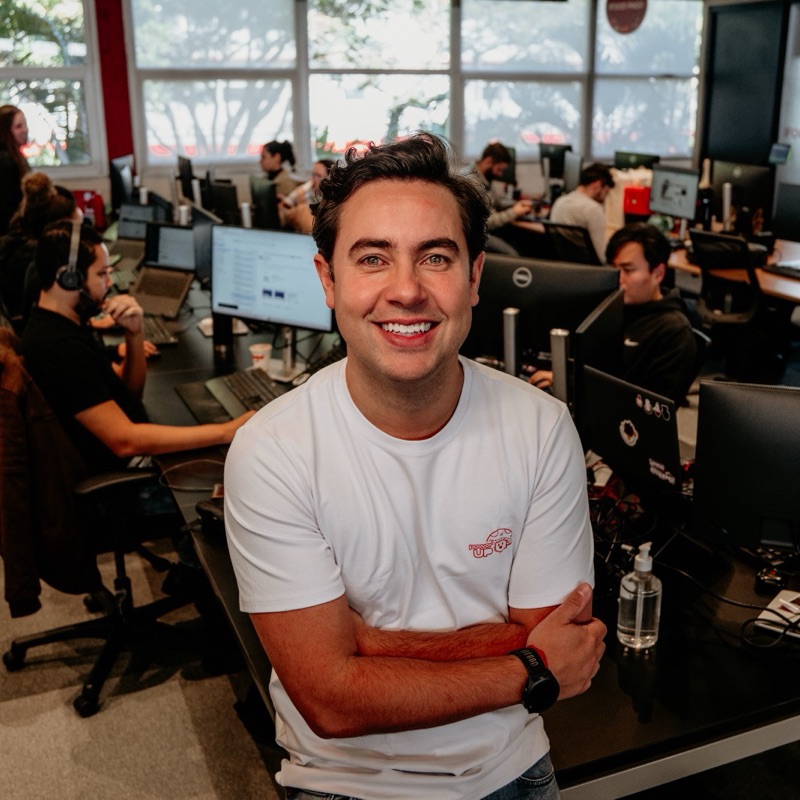 Raphael Bozza · iFood
Happy hour
What you'll learn
How AI is changing people, operations, and strategy decisions at companies that have already moved to action. You leave with a framework, not motivational bullet points. Ready to rethink your processes on Monday.
What to expect
A day away from your operation has to be worth the day. That is why curation has a single bar: the people on stage have put AI to work for real and are willing to open up what worked, what broke, and what they would do differently.
Who you'll meet
HR directors, CHROs, CEOs, CTOs, and founders. Curating the 500 seats serves one purpose: making sure the person next to you carries decisions a lot like yours. Here, the hallway conversation is worth as much as the stage.

Join the interest list.
Joining the list is free. Your spot is confirmed later, after a profile check. We'll tell you first.
The form opens in steps so you do not lose momentum. Click and finish in a few fields.